Sustainable Business Design:Award for BEST PITCH of the Master
RE-SYNTHIFY: Sustainable Disposing & Repurposing of Synthetic Hair Waste
Case Overview
Project brief
Find a sustainability problem that, if solved, would close the gap.
About The Chosen Problem
Nigeria is the top consumer of synthetic hair extensions in Africa. When used, these hair extensions are improperly disposed of, contributing to a significant amount of hair waste ending up in the landfills of Nigeria. Only in Lagos, 8000 tonnes of synthetic hair end up in landfills.
9 out of 10 women who braid dispose used hair improperly by burning or throwing it into the bin.
Goal
To find out hair disposing habits of people (20-35 y.o.) braiding their hair in Nigeria and assess the level of their awareness / concern about synthetic hair waste impact on the planet. Find out could used hair be recycled / repurposed and propose a solution to close the gap of improper hair disposal. Finally, find a way to make it financially feasible.
Problem Context
The Scale Of The Waste Problem
Nigeria
No.1 consumer
of synthetic hair extensions in Africa
10th largest producer of plastic in the world
Lagos, Nigeria
3.4M women
aged 20-35 in the highest waste-generating state
3.06M braid and dispose used hair improperly
Waste per user
2,640 grams
generated by one woman each year
4 times/year, 4 packets/time
Plastic equivalent
40M bottles
equivalent impact from annual synthetic-hair waste
A material stream that needs a longer-life use
Case Overview
Problem, Market & Role
Problem statement
Improper disposal of used synthetic hair extensions from Nigeria contributes 2.7% of the global plastic waste. As synthetic hair is made of non-biodegradable materials, it takes up to 500 years to decompose; therefore, there is a need for eco-friendly disposal alternatives.
Target Market
Market Size
- TAM€257.03M
- SAM€15.74M
- SOM€472.200
Methods Used
- Desk research
- semi-structured qualitative interviews
- quantitative survey
- customer journey
- digital & physical prototypes
- financial projections
- user / buyer persona
My Role
- desk research
- qual & quant research analysis
- customer journey, buyer / user persona
- digital prototype; tool used: Mid Journey
- pitch presentation content & design
- Q&A during pitch
Project duration
3 months
Case Overview
MVP: 4 Steps
Collect
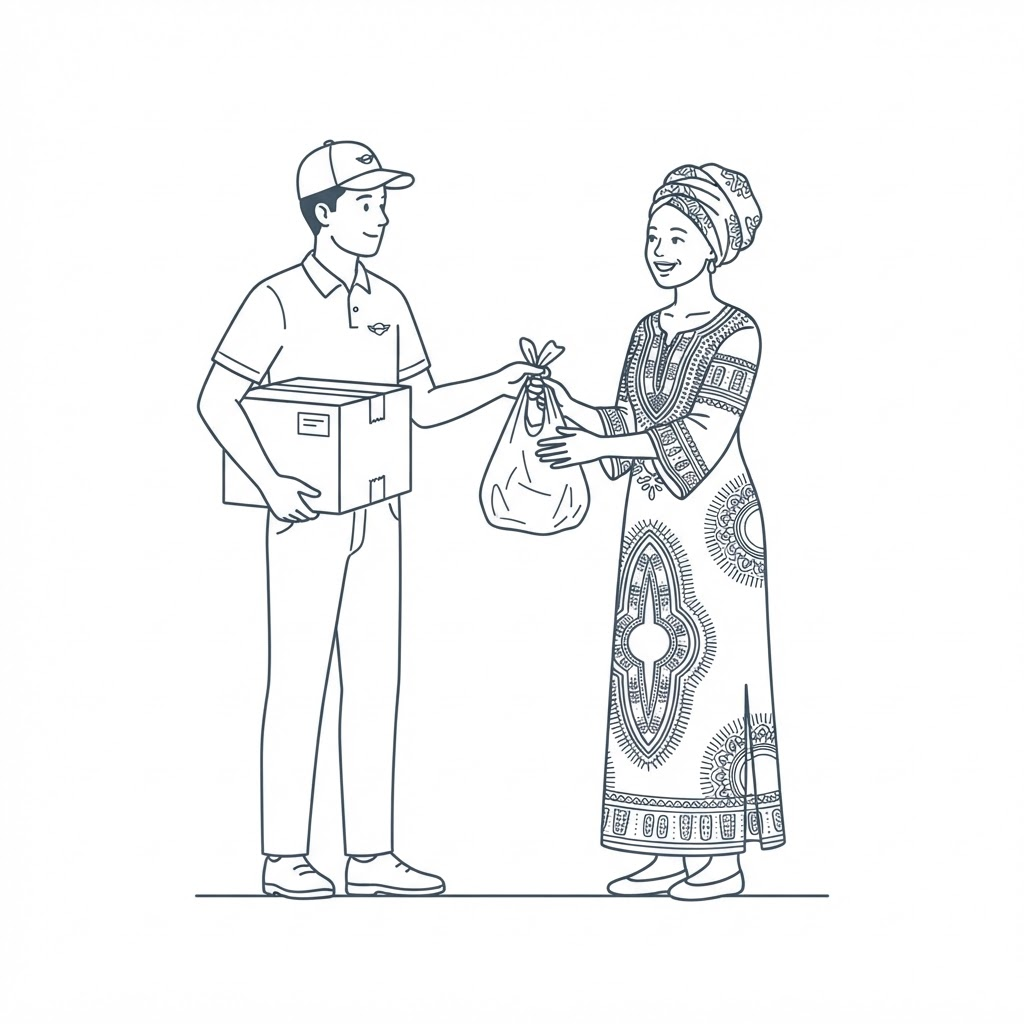
Collect hair from donors using existing delivery service
Process
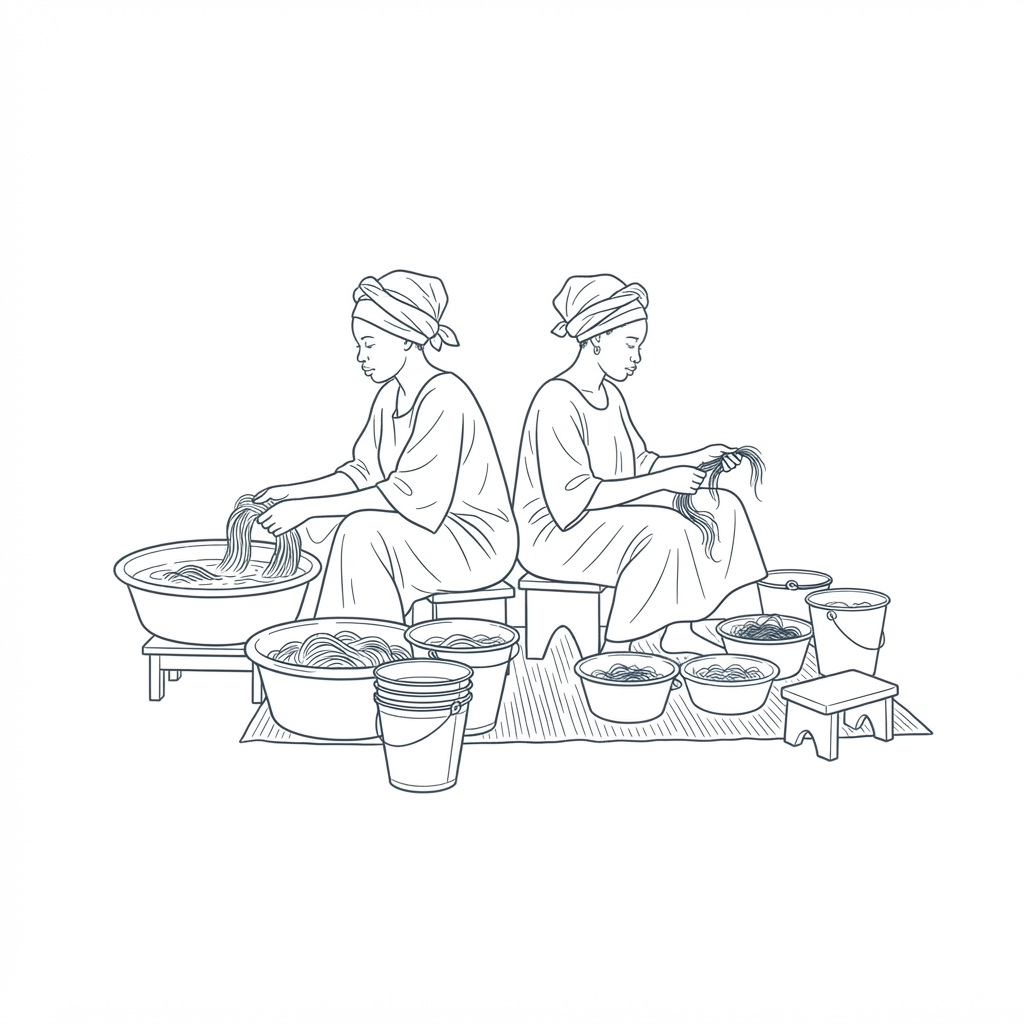
Sort, wash and prepare the hair for manufacturing
Manufacture
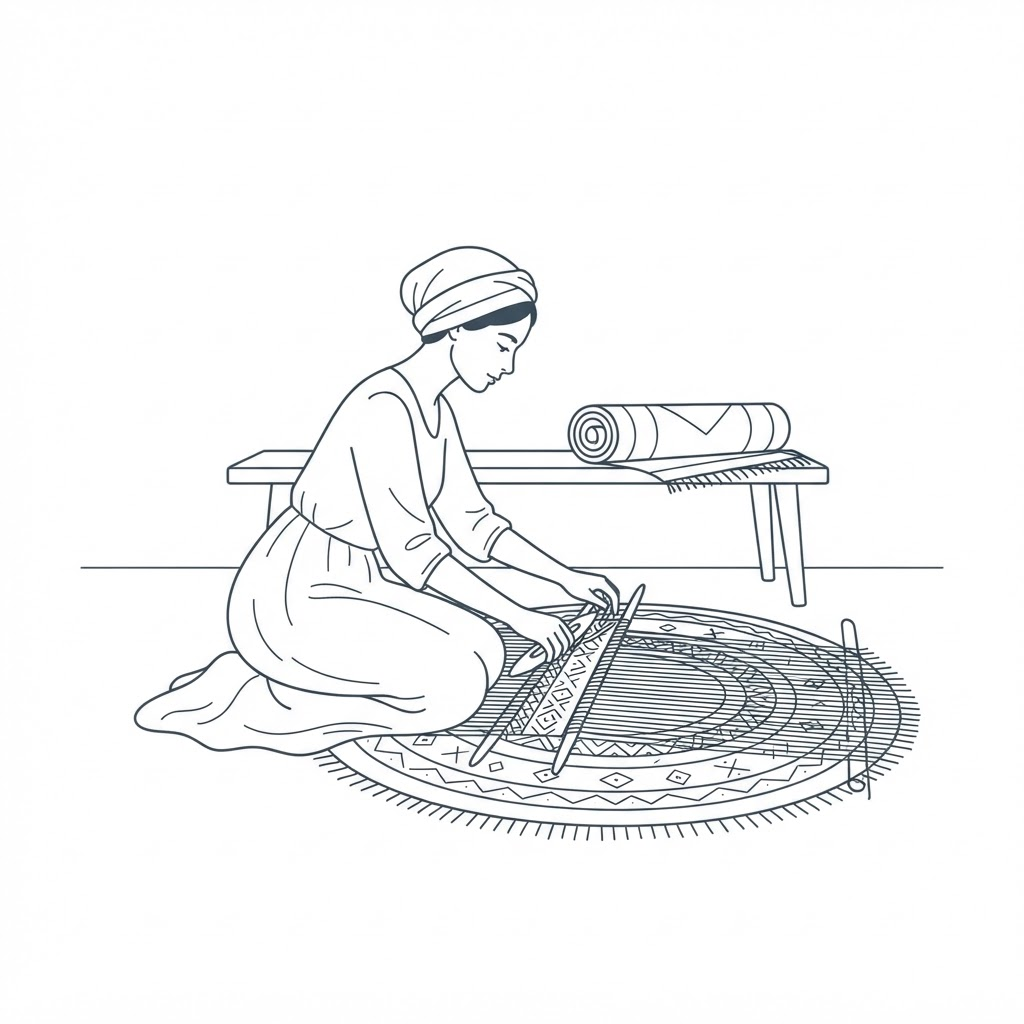
Weave synthetic hair into beautiful & practical rugs
Sales

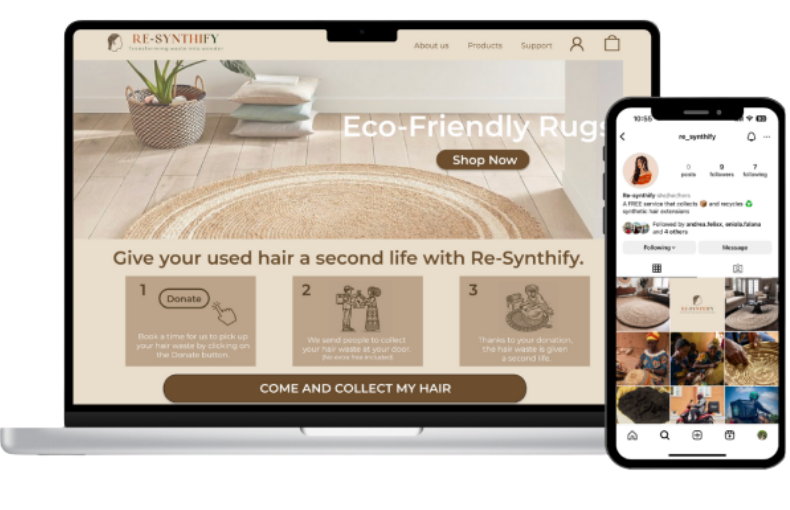
Sell through Re-Synthify's website & social media channels
Collect
Collect hair from donors using existing delivery service
Process
Sort, wash and prepare the hair for manufacturing
Manufacture
Weave synthetic hair into beautiful & practical rugs
Sales
Sell through Re-Synthify's website & social media channels
Case Overview
Prototype & Business Model
Physical Prototype
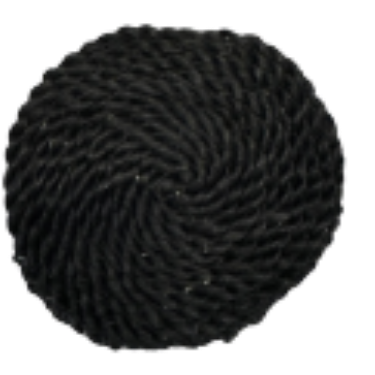
Digital Prototypes
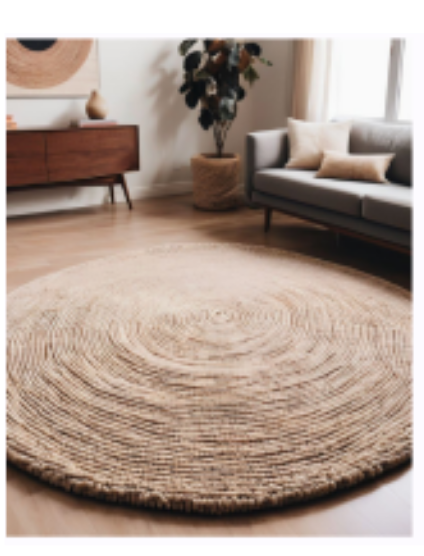
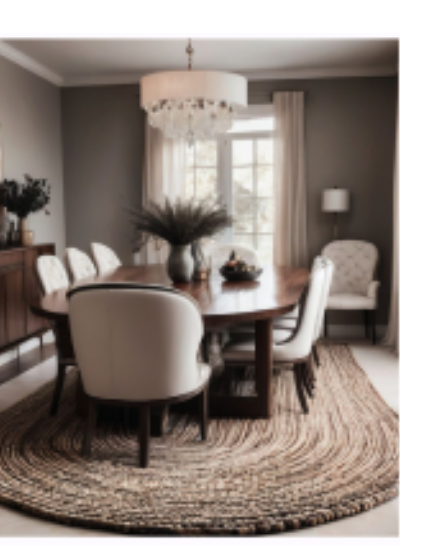
Business Model
Digital Channels
Case Overview
Prototype in Action
Hand-crafting the Re-Synthify rug prototype from recycled synthetic hair fibers.
Product Rationale
Why Rugs?
Hard to recycle
Synthetic hair extensions are classified as a hard-to-recycle material.
Reduce impact
Maximizes the use of the product and reduces its environmental impact.
Longer lifespan
Rugs last 5–10 years, extending the lifespan of synthetic hair.
Impact Model
We Are A Triple-Impact Company
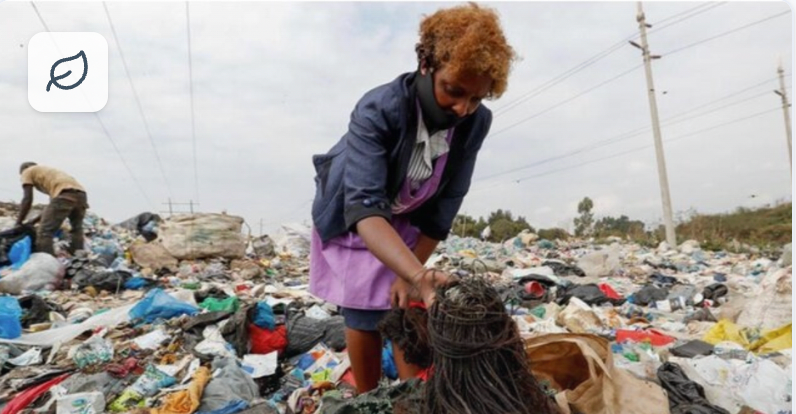
Circular product lifecycle
Environmental Impact
We reduce pollution by transforming synthetic hair waste through a circular process, creating products with a longer lifespan.

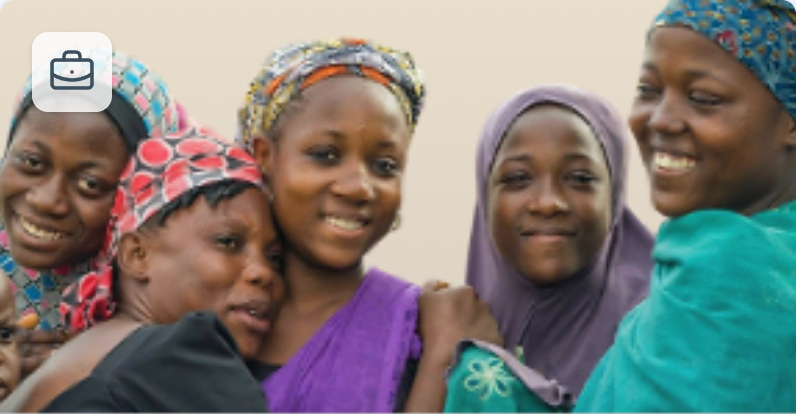
Women & community
Social Impact
The model empowers women in Nigeria with sustainable disposal alternatives and creates local job opportunities.
Local production
Economic Impact
Re-Synthify supports local production, reduces reliance on imported home decor, and keeps income circulating in local communities.
Validation
Methodologies
Desk Research
We researched the eco-friendly home decor market in Nigeria through industry reports, market studies, and demographic data. The research showed a growing consumer interest in sustainable products. We found similar solutions in Kenya and the UK, but no direct solution in Nigeria.
Quantitative Survey
The survey gathered firsthand information on market demand, consumer interest, and potential adoption of eco-friendly home decor made from repurposed synthetic hair in Nigeria.
- Participants profile
- women aged 20–40
- Location
- Lagos, Nigeria
- Sample
- 46 participants
- Completed survey
- 44 participants
- Sampling
- random sampling
- Filter question
- Do you reside in Nigeria?
Proxy Prototype
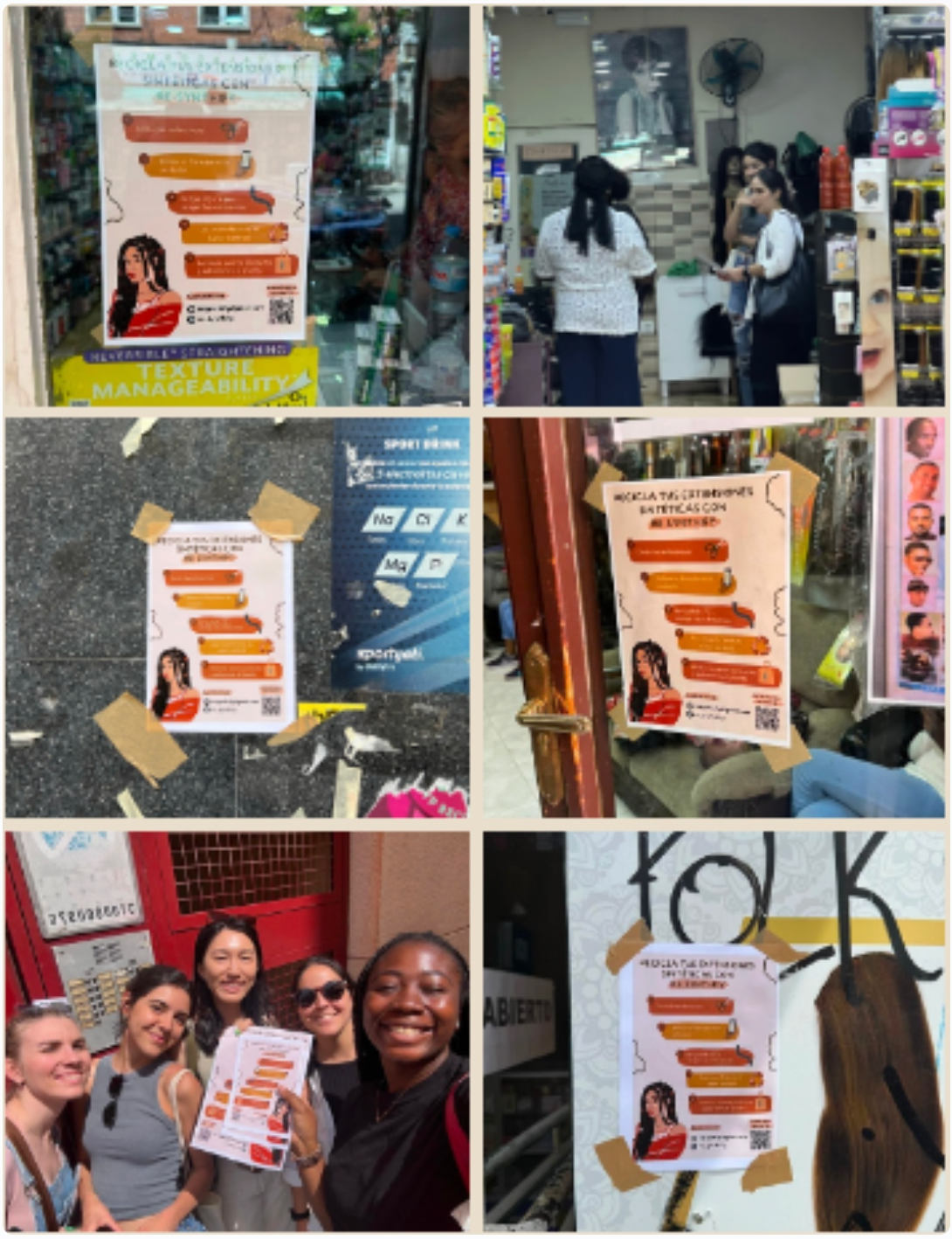
We simulated the collection part of the service in Lavapiés, Madrid, visiting 7 salons to gather early feedback from residents and salon owners on the pickup and donation experience.
Proxy Prototype Field Test
Future Outlook
5-Year Projection & Milestones
5-Year Projection
Months to reach profitability: 14 months
Re-Synthify Milestones
Past Months
10 signups
for hair donation
Past Month
Collected hair waste
from 4 women
Next 6 Months
Product launch
in Nigeria
Year 3
Introduce bins
in the city for hair donation
Year 5
Affiliate partnerships
with local channels
Past Months
10 signups
for hair donation
Past Month
Collected hair waste
from 4 women
Next 6 Months
Product launch
in Nigeria
Year 3
Introduce bins
in the city for hair donation
Year 5
Affiliate partnerships
with local channels